Why Saltwater Destroys Your Beachwear (And How to Fix It)
Saltwater is one of the most damaging elements for beachwear, yet most products aren’t designed to handle it. Over time, exposure to salt can cause fabrics to fade, lose elasticity, and become stiff. When salt dries, it leaves behind crystals that break down fibers. This leads to rough textures, reduced flexibility, and a shorter lifespan for your beachwear. Combined with sun exposure and humidity, the damage accelerates even further. Many people assume this is unavoidable, but that’s not entirely true. The materials used in your beachwear make a significant difference. Standard fabrics absorb salt and moisture, while more advanced materials are designed to resist these effects.
What makes saltwater particularly harsh is how consistently it interacts with your beachwear. Unlike occasional use, beach clothing is often exposed to salt daily, sometimes even multiple times a day. Each time your beachwear gets wet, dries, and is exposed again, the fibers weaken little by little. Over time, this repeated cycle causes clothing to lose its original structure and performance.
Another factor that contributes to damage is how salt interacts with heat. In tropical climates, strong sun exposure speeds up the drying process, but it also intensifies the effect of salt left in your beachwear. This combination can cause colors to fade faster and materials to become brittle. That’s why beachwear that looks fine after a few uses can suddenly feel worn out after a short period of consistent exposure and saltwater use.
Quick-drying beachwear helps reduce the time salt sits on the material, limiting long-term damage. The faster your clothing dries, the less time salt has to crystallize and break down fibers. Breathable materials also prevent moisture from being trapped, which reduces odor buildup and discomfort in humid environments. These small differences in fabric performance make a noticeable impact over time.
Construction also plays a key role in durable beachwear. Reinforced stitching and higher-quality fabric blends allow clothing to maintain its shape even with repeated exposure to saltwater. Cheaper materials may feel fine at first, but they tend to stretch, fade, and lose structure much faster. This is especially important for people who spend multiple days a week in the ocean, where wear and tear happens quickly.
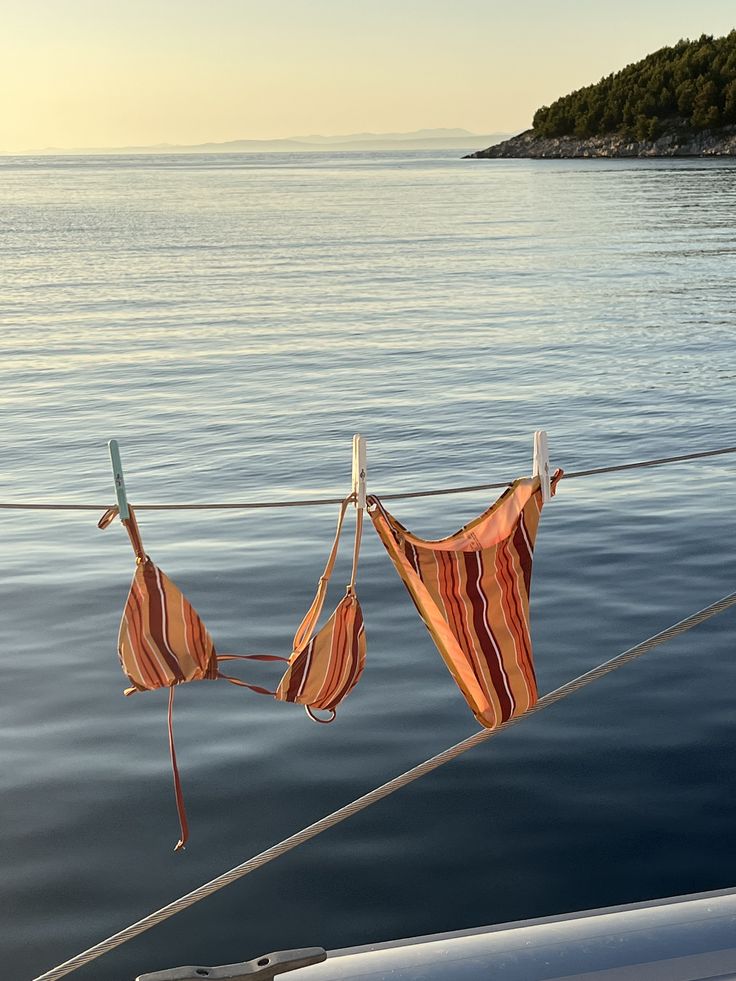
Maintenance habits can also influence how long your beachwear lasts. Rinsing clothing with fresh water after use helps remove salt before it fully dries and crystallizes. Letting items air dry in the shade instead of direct sunlight can also reduce stress on the fabric. While these steps won’t completely prevent damage, they can significantly extend the life of your beachwear.
If you want your beachwear to last, you need to think beyond aesthetics. Functionality becomes the priority in environments where your gear is constantly exposed to harsh conditions. Choosing the right materials isn’t just about comfort, but it’s about longevity and resistance. And in the long run, that saves both money and hassle.
The reality is that not all beachwear is created for the same purpose. Some pieces are made for occasional use, while others are built for repeated exposure to demanding environments. Understanding this difference helps you make better choices and avoid constantly replacing worn-out items. When your beachwear is designed to handle salt, sun, and humidity, it doesn’t just last longer, it performs better every time you use it.
Ultimately, choosing the right beachwear comes down to how well it performs under constant saltwater exposure. When your gear is designed to handle saltwater conditions, it maintains its shape, comfort, and durability over time. Instead of constantly replacing worn-out items, you can rely on beachwear that adapts to your environment and keeps up with repeated use. Saltwater will always be a factor when spending time in the ocean, but with the right materials and construction, its impact can be minimized. Investing in high-quality beachwear built for saltwater doesn’t just improve longevity—it improves your entire experience by the water.